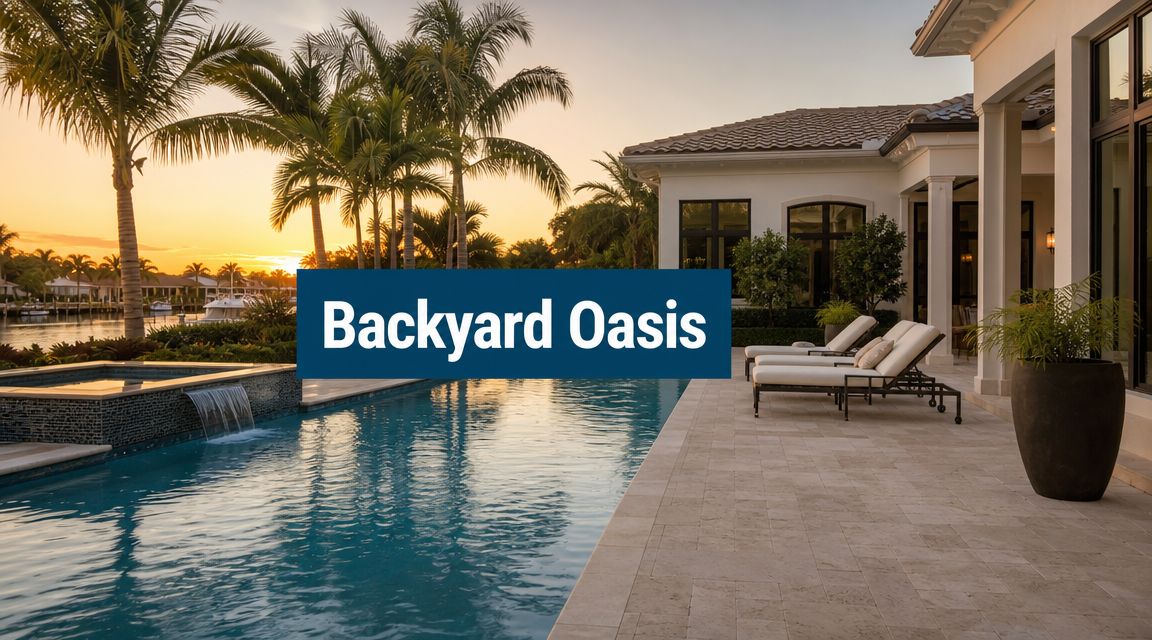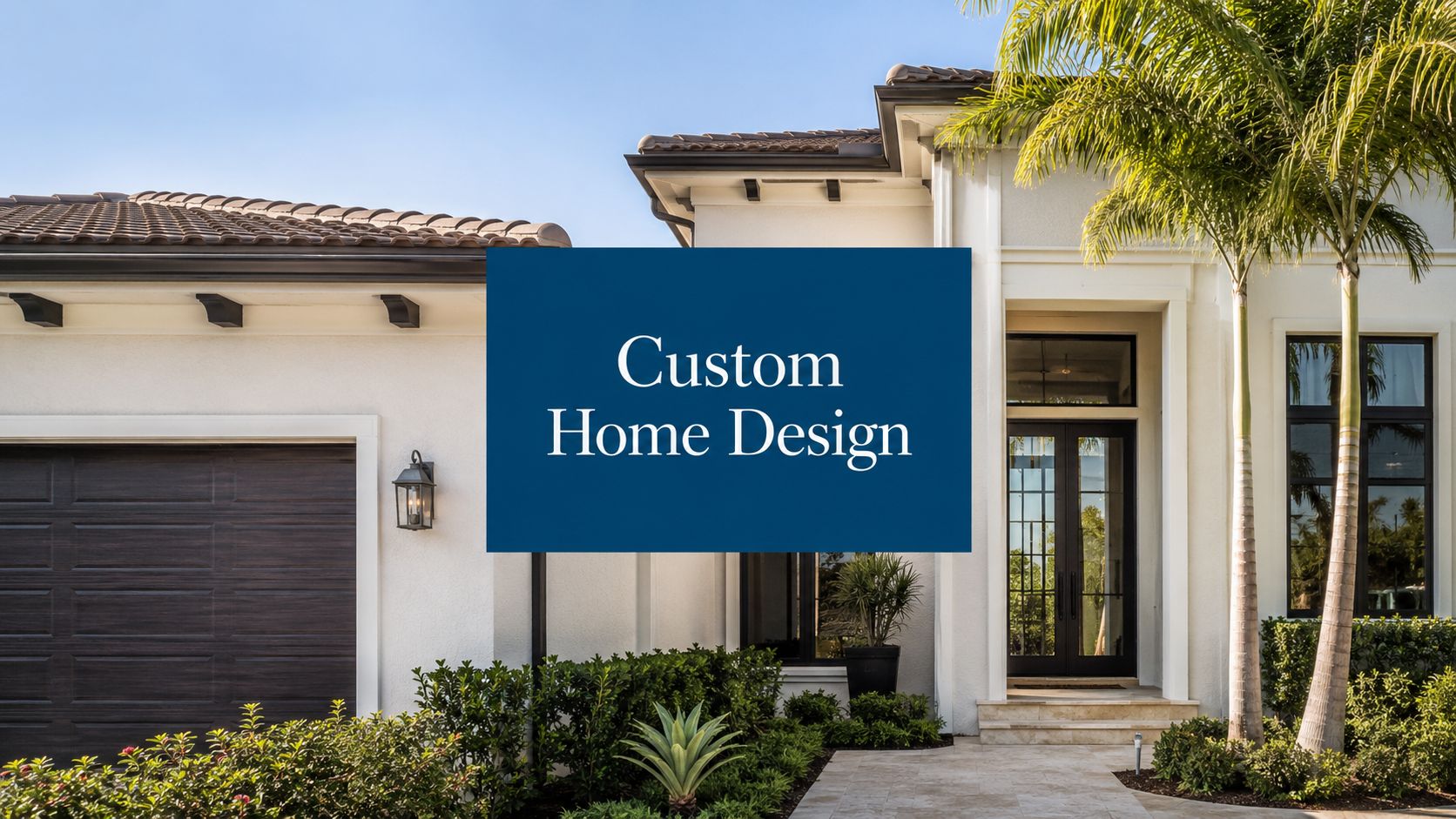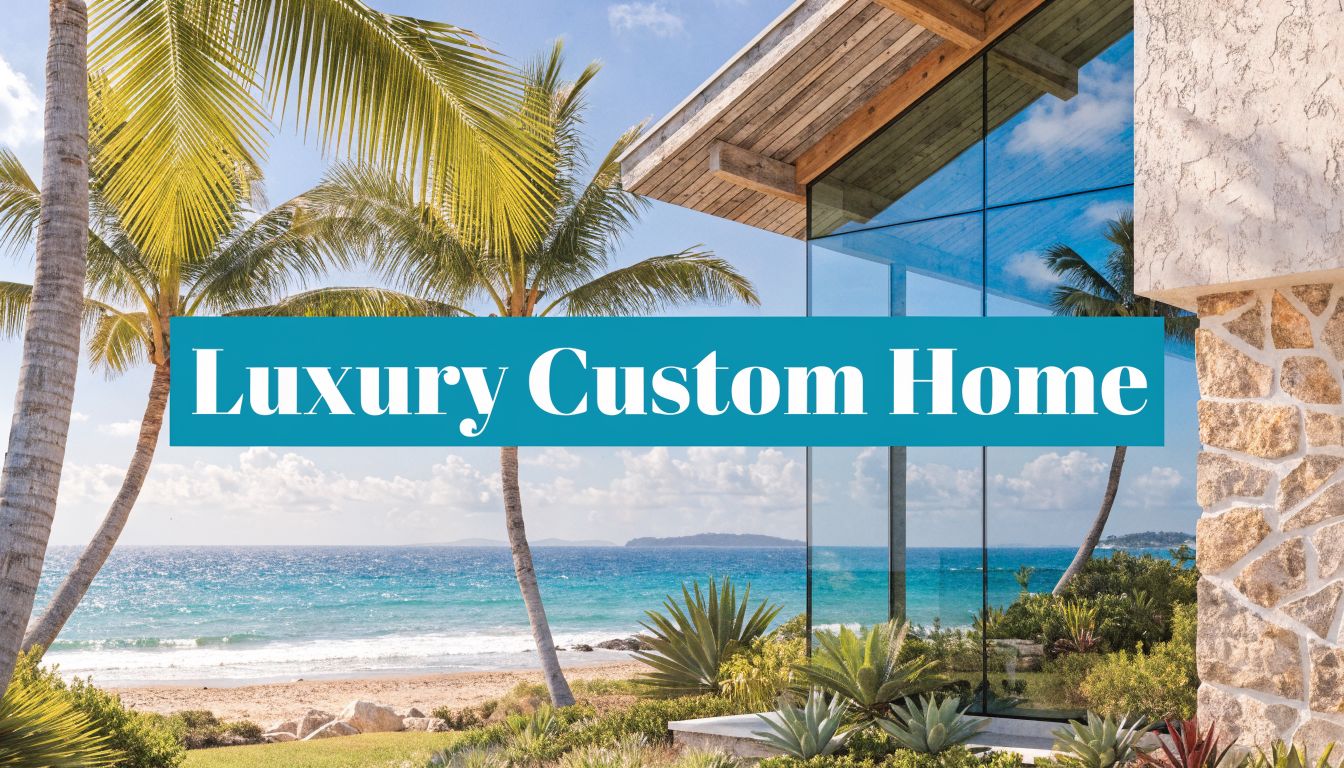
You may be standing at a turning point that feels equal parts exciting and intimidating. You’ve found the Naples lot that keeps pulling you back, or you’re looking at an older property and thinking about starting fresh with something that finally fits the way you live. You can already see the morning light, the long sightlines, the outdoor spaces that get used, and the kind of calm that only comes from a home designed around your routines instead of someone else’s assumptions.
Then the practical questions start. How do you build something beautiful without losing control of cost? How do you make a waterfront home feel open and elegant without treating storm protection like an afterthought? How do you choose a team that will tell you the truth before small issues become expensive ones?
Those are the right questions. A luxury custom home in Naples should feel aspirational, but the process should feel grounded, clear, and well managed.
Dreaming of a Luxury Custom Home in Naples
A Naples custom home often begins with a simple image. Coffee near a wall of glass. A shaded lanai that works just as well for a quiet Tuesday as it does for a holiday weekend. Guest suites that feel private. Storage where it matters. Finishes that don’t just look refined in photos, but hold up to coastal living.
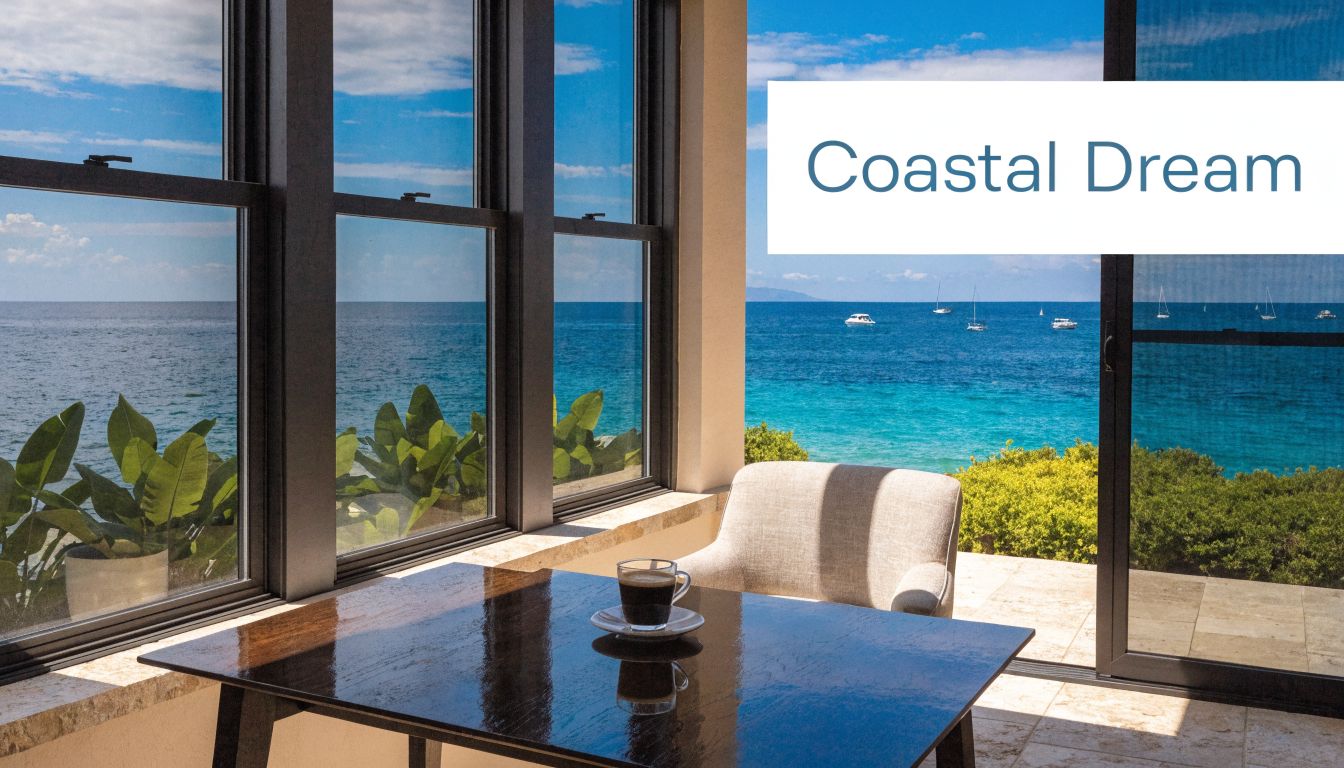
In Naples, those details aren’t extras. They’re the difference between a house that photographs well and a home that feels right for years. Lot orientation, privacy, flood-zone requirements, indoor-outdoor transitions, and the daily rhythm of the household all matter from the first sketch forward.
Why custom building remains a serious choice
Custom building isn’t a niche idea anymore. In 2023, custom homes accounted for just over 18% of all new single-family homes built in the United States, and industry reports showed a 6% year-over-year increase in custom home building starting in the second quarter of 2024, reflecting momentum into 2025, according to custom home building trends reported here.
That matters because it confirms what many Naples buyers already feel. People want homes shaped around how they live, not homes that require compromise at every turn.
For some clients, the dream starts with location first. They narrow their search by water access, walkability, school proximity, or privacy, then shape the home around the lot. For others, it starts with lifestyle. They know they want a first-floor primary suite, a proper study, a gym with natural light, or a detached guest retreat, then compare neighborhoods that can support that vision. If you’re still sorting that out, reviewing Naples neighborhoods that fit different homebuilding goals is a smart first move.
Practical rule: The most successful luxury custom home projects begin with clarity about how the property should live day to day, not just how it should look at completion.
The dream works better with honest guidance
The emotional side of building matters. So does the discipline behind it. The right process helps you protect the dream instead of slowly watering it down through rushed decisions, avoidable redesigns, or vague allowances.
A good builder guides that balance. Not by selling fantasy, but by helping you turn priorities into plans, plans into approvals, and approvals into a finished home that still feels like the one you imagined at the beginning.
Beyond the Price Tag Defining True Naples Luxury
A luxury custom home isn’t defined by square footage alone. In Naples, true luxury comes from fit. Fit to the lot, fit to the owner, fit to the climate, and fit to the level of craftsmanship the home deserves.
Many expensive homes still feel generic. They have scale, but not intention. They have finishes, but not coherence. They check boxes, but they don’t feel composed.
Personalization that changes how the home lives
A real custom home behaves like a custom-fitted garment, not an off-the-rack jacket with expensive buttons. The circulation should make sense. The views should unfold deliberately. Private spaces should stay private, and entertaining spaces should open naturally.
That might mean:
A layout built around daily use: Morning spaces near sunrise light, easy transitions from kitchen to lanai, and guest circulation that doesn’t cut through family zones.
Rooms with multiple jobs: A study that can become overflow guest space, or a club room that opens to the pool without becoming a hallway.
Designing for how you host: Some owners need formal dining presence. Others want a large island, hidden prep, and a serving path that keeps events feeling effortless.
The lot should shape the architecture
A home in Old Naples shouldn’t be approached the same way as a site in The Moorings or a property with broader water exposure. The lot tells you where privacy needs reinforcement, where glazing should be maximized, and where the massing should step back.
Site integration often separates strong custom work from expensive but awkward construction.
Luxury element | Weak approach | Strong approach |
|---|---|---|
Street presence | Oversized façade with little privacy strategy | Arrival sequence that feels elegant and controlled |
Water views | Glass added everywhere | Views framed where they matter most, with solar and privacy considered |
Outdoor living | Patio attached as an afterthought | Exterior rooms designed as part of the architecture |
A helpful way to think about it is this. You’re not placing a home on a lot. You’re composing a relationship between the two. For a closer look at how builders approach that level of planning, this overview of luxury home construction in Naples is useful background.
Materials and craftsmanship you can actually feel
Luxury shows up in alignment, transitions, restraint, and finish quality. It’s the reveal at a drywall edge, the consistency of flooring through long runs, the way a staircase lands, the thickness and weight of doors, and the confidence of the millwork.
A luxury custom home should feel resolved from ten feet away and from ten inches away.
Builder-grade choices usually reveal themselves in the moments owners interact with every day. Cabinet interiors. Hardware feel. Window operation. Tile layout. Exterior finish durability near salt air. Those aren’t glamorous decisions during pre-construction, but they shape whether the home still feels luxurious after a few seasons.
The experience is part of the product
The final pillar is often overlooked. A smooth client experience is part of luxury. You shouldn’t have to chase updates, decode vague allowances, or guess whether your project is on track.
The process should feel organized, candid, and calm. That’s not softness. It’s discipline.
The Custom Home Process A Transparent Timeline
A Naples couple approves floor plans in January and expects to be in by the holidays. By spring, they are still waiting on permit comments, the window package needs a longer lead time than expected, and a late change to the outdoor kitchen forces revisions in electrical and gas layouts. That kind of stress usually comes from timing assumptions, not from one dramatic mistake.
A clear process reduces surprises. It also makes better decisions possible, especially on a coastal build where structural requirements, finish selections, and budget control all affect each other.
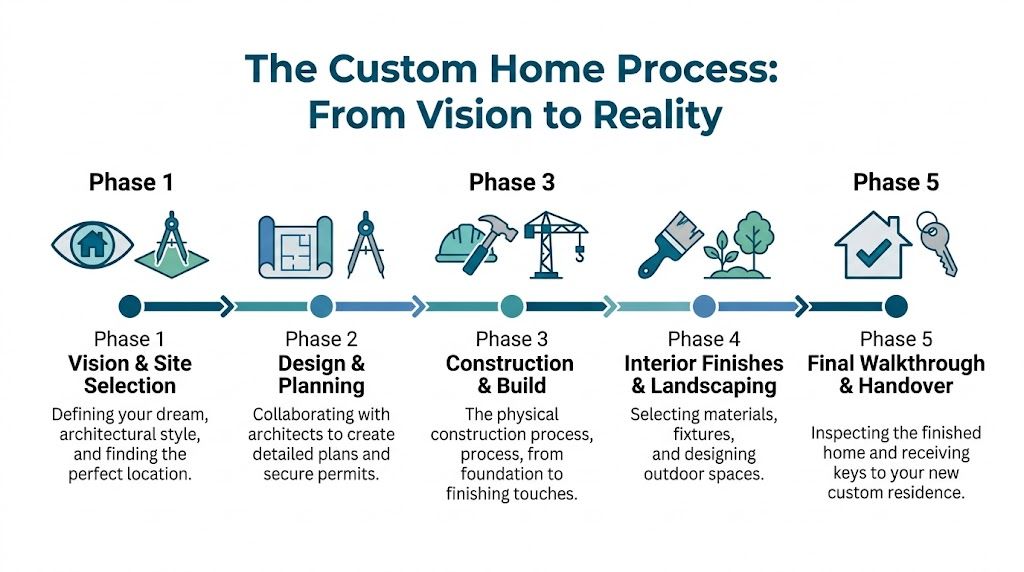
Phase one and two shaping the vision before construction starts
Early planning sets the tone for everything that follows. Owners need to define how they will live in the home. Seasonal retreat, full-time residence, frequent entertaining, multigenerational stays, car storage, privacy, and staff access all affect the layout in ways that are expensive to revise later.
Design development needs builder input early, not after drawings are polished. In Naples, that means aligning architecture with flood elevation strategy, structural requirements, mechanical space, and the level of finish the client expects. Beautiful plans can still create costly field problems if those layers are not coordinated from the start.
A disciplined pre-construction phase usually includes:
Site-specific review: setbacks, flood-zone conditions, grading limits, and solar orientation.
Plan coordination: architectural intent checked against structural engineering and buildability.
Allowance clarity: a written distinction between fixed selections and categories that still have cost movement.
Scope alignment: custom millwork, glazing packages, exterior materials, pool features, and outdoor living details discussed before permit submission when possible.
For a practical overview of scheduling, this guide on how long it takes to build a custom home gives useful context.
Permitting and budgeting where surprises often begin
This phase tests patience. Permit submission is not a starting gun for immediate construction. Reviews, comments, revisions, engineering responses, and municipality-specific requirements can add time even on well-prepared projects.
Budget pressure often starts here too. The pattern is familiar. A client falls in love with a larger span of glass, a cleaner ceiling detail, or a better appliance package after pricing is already underway. None of those are wrong decisions. They just need to be made with clear cost and schedule consequences attached.
The cost issue in Naples is not only the base price per square foot. It is the interaction between design ambition, coastal code requirements, lead times, and change timing. A revision made on paper is manageable. A revision made after framing, rough-in, or waterproofing has started is usually expensive, and sometimes it affects more than one trade.
Field insight: Late decisions do not stay isolated. One finish change can affect framing, blocking, electrical placement, lighting locations, and inspection timing.
The build from structure to finish
Once permits are issued, the project enters its most visible phase. Foundation work, structural shell, roofing, mechanical rough-ins, insulation, drywall, interior trim, cabinetry, tile, stone, paint, and hardware follow a sequence, but not a perfectly linear one. Inspections, weather, fabrication lead times, and owner selections all influence the pace.
Good project management shows up in the handoffs between trades. Window installation needs to align with waterproofing. Cabinet dimensions need to match field conditions before countertops are templated. Lighting plans need to reflect ceiling details that were built, not an outdated reflected ceiling plan from months earlier.
Homeowners should expect regular checkpoints around:
Structural milestones: foundation completion, framing progress, dry-in, and major inspections.
Selection deadlines: flooring, slabs, plumbing fixtures, appliances, decorative lighting, and trim details.
Quality review points: waterproofing, tile layout, millwork fit, paint prep, and hardware placement.
Change-order control: each revision priced, documented, and tied to schedule impact before approval.
Special features need early coordination if they are going to feel effortless when complete. A statement stair is a good example. It can become the visual anchor of the house, but only if structure, dimensions, finishes, and railing details are resolved well before trim-out. Clients considering architectural staircases often get the most value from that decision by addressing it during design, not after the stair opening is already framed.
Handover should not feel rushed
A proper handover is part of the build, not an afterthought. It should include a punch-list walkthrough, systems orientation, touch-up work, warranty procedures, and organized documentation for equipment, finishes, and maintenance. In a high-end Naples home, owners also need clear guidance on items that matter in coastal conditions, such as exterior finish care, humidity management, and storm-prep systems.
JVM Construction LLC coordinates custom homes and large-scale remodels in Naples, and that kind of integrated process can help keep design handoff, permitting, trade scheduling, and finish execution aligned. Whether the project is handled by one firm or by several consultants and contractors, the standard should stay the same. No hidden allowances, no vague schedule language, and no handover that leaves the owner figuring out the house on their own.
Fortifying Your Home for Coastal Florida Living
A Naples waterfront home has to do two jobs at once. It has to stand up to wind, water, salt, and heat. It also has to feel open, refined, and comfortable enough that you never feel like you are living inside a bunker.
That balance is where good coastal building shows its value.
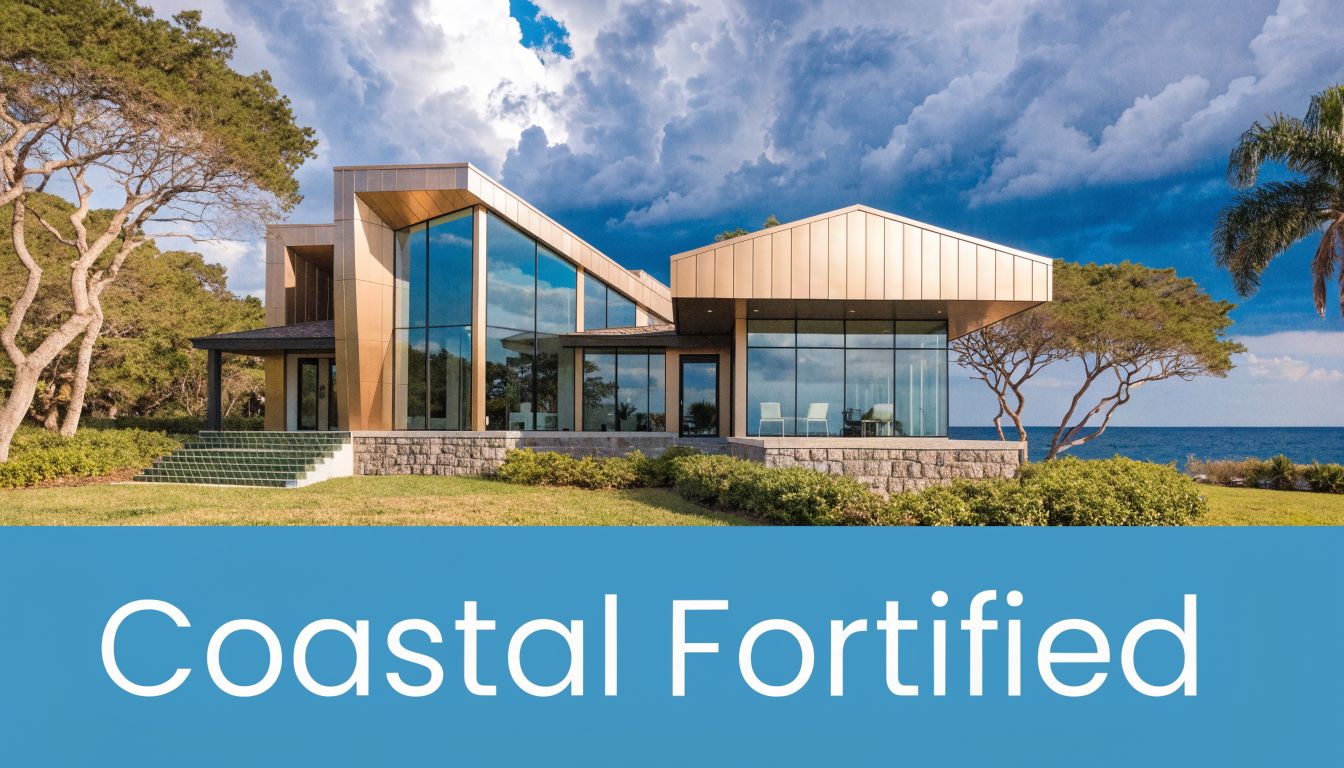
What resilience looks like in a high-end home
Resilience starts with the shell of the house. The roof system, wall framing, openings, and foundation have to work as one assembly. If those parts are selected in isolation, weak points show up fast during a major storm.
For Naples homes, that usually means impact-rated glass, reinforced connections from roof to foundation, careful waterproofing, and materials that hold up in salt air. Post-hurricane analyses after Ian found that homes built with stronger impact protection and tie-down systems performed far better structurally than standard code-minimum construction, and many owners also saw lower insurance costs. The lesson is simple. Build for storm exposure from day one, not as a late upgrade.
I tell clients to spend money first on the parts you cannot easily replace later. Structure, openings, roof assemblies, drainage, and mechanical placement matter more than almost any finish package if the goal is long-term value.
Beauty still has to lead
Stronger construction does not require heavy architecture or compromised views. It requires better coordination.
Large panes of impact glass can still frame the Gulf beautifully, but they need early engineering so sightlines, spans, and mullion layouts feel intentional. A raised finished floor can protect the home from water intrusion, yet still read as elegant if the entry sequence, stairs, outdoor areas, and pool deck are designed together. Even roofing has a design trade-off. Some materials give a sharper profile and cleaner look, while others hold up better in coastal exposure or reduce maintenance over time.
The best results usually come from decisions like these:
Plan impact openings early: Window and door sizes, structural support, and exterior expression should be resolved together.
Choose roofing for wind rating and appearance: The right roof should belong to the architecture and perform well in storm conditions.
Use exterior finishes that can handle salt and sun: Coastal wear shows up quickly on weak material selections.
Place equipment with storms in mind: Generators, condensers, electrical gear, and service access should be protected and practical to maintain.
A beautiful coastal home is not one that ignores risk. It is one that handles risk without looking defensive.
Protection also includes how the property is used
Storm resistance covers one category of protection. Daily security covers another, especially for owners who travel seasonally or leave the home vacant for stretches of the year.
That planning can include controlled access, lighting design, camera coverage, smart entry systems, and in some cases hiring a security guard for your home during extended absences or private events. The right approach depends on the property, the owner's routine, and how visible the home is from the street or water.
In practice, the strongest Naples homes are the ones where structure, storm protection, and security are considered together early. That is how you get a house that feels gracious in blue-sky weather and dependable when conditions turn.
Selecting the Right Partner for Your Vision
Choosing a builder is less like hiring a vendor and more like selecting the person who will translate hundreds of decisions into one coherent result. A polished portfolio matters, but it doesn’t tell you how the builder handles ambiguity, scheduling pressure, permitting friction, or a difficult site.
In a market where more luxury inventory is available, execution matters even more. In 2025, the luxury home market saw a 30-40% increase in inventory while median prices remained stable, and time on market extended to 44-55 days, according to this luxury market analysis. For homeowners, that reinforces a simple point. Distinctive homes with clean execution stand apart. Average work has a harder time hiding.
Compare builders on these four fronts
Some buyers focus too heavily on aesthetics during interviews. The smarter comparison is broader.
What to review | Weak sign | Strong sign |
|---|---|---|
Portfolio | Same look repeated regardless of lot or client | Homes respond to site, lifestyle, and neighborhood |
Communication | Vague answers, slow follow-up, unclear next steps | Direct answers, documented process, defined decision points |
Project management | Loose talk about “working things out in the field” | Clear scheduling, coordination, and change-order control |
References | General praise only | Specific examples of how problems were handled |
Questions worth asking former clients
Reference checks are often too polite to be useful. Ask questions that reveal how the relationship worked under pressure.
How were budget decisions presented? Did you feel you had enough information to approve or reject changes intelligently?
What happened when something slipped? Every project has friction. You want to know whether the builder communicated early or stayed quiet until the issue got bigger.
Did the finished home match the level of detail promised? Ask about trim work, waterproofing confidence, punch-list completion, and post-completion support.
A strong builder doesn’t need a flawless project history. They need a record of handling real-world issues clearly and responsibly.
Process fit matters as much as style fit
Some builders are highly design-forward but weak on reporting. Others are technically strong but too rigid for clients who want active involvement in selections. Neither is automatically wrong. The question is whether their process matches how you want to build.
If you value a calm experience, look for evidence of structure. Meeting cadence. Selection schedules. Documentation. Defined channels for approvals. Site cleanliness and subcontractor organization also tell you a lot. They reflect how the builder runs the project when the owner isn’t standing there.
A luxury custom home deserves a partner who protects design intent while managing the less glamorous realities that determine the final result.
From Concept to Reality Naples Case Studies
Advice becomes much more useful when you can see how decisions play out on real projects. In Naples, the most revealing custom home stories usually involve a tension that needed to be resolved. Privacy versus openness. Water views versus code constraints. Warm, natural finishes versus the demands of a coastal environment.
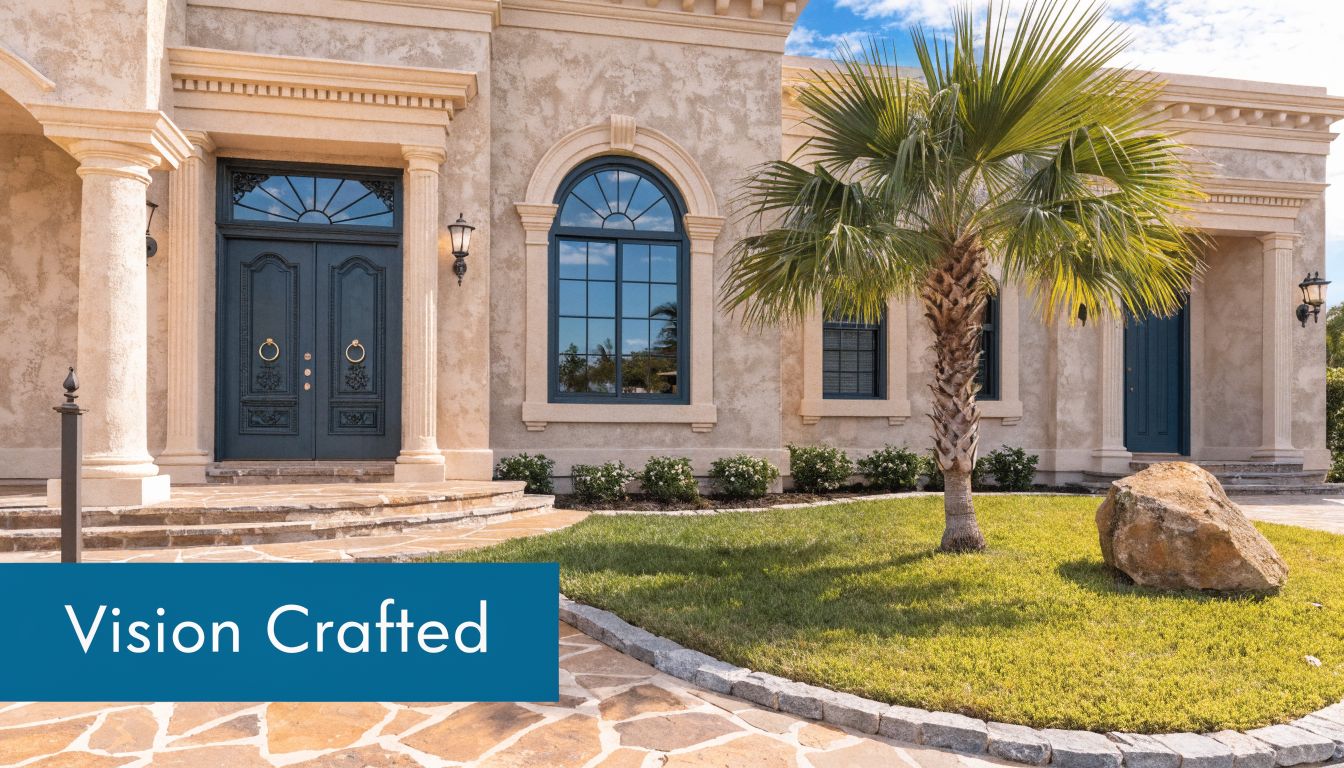
A tight in-town lot that needed privacy without losing light
One client wanted a home that felt open and welcoming, but the lot sat close to neighboring properties. The first concept favored large front-facing glass, which looked impressive on paper but would have left the owners managing privacy with shades much of the time.
The better solution shifted the experience inward. The design emphasized a more controlled street presence, then opened into a bright central living volume and protected outdoor space. Clerestory glazing, layered landscaping, and carefully placed side-yard openings brought in natural light without putting the family on display.
What worked was restraint. Not every window needs to be huge. The right windows in the right locations do more.
A waterfront home that had to protect views and structure
Another project started with a familiar request. The owners wanted expansive water views, broad sliding openings, and a clean contemporary profile. The challenge was making that transparency work alongside the structural realities of coastal construction.
The answer wasn’t to scale back the ambition. It was to coordinate the shell, the glazing strategy, and the outdoor living plan much earlier than most owners expect. Once the structure, opening sizes, and weather-exposed materials were aligned, the design became clearer and stronger.
The finished result felt light, but the intelligence was in the unseen decisions. Roof connections, opening specifications, exterior finish choices, and equipment placement all supported the architecture instead of fighting it.
A whole-home transformation that fixed flow, not just finishes
Some luxury projects don’t begin with a teardown. They begin with a house that has good bones and poor flow. In one whole-home transformation, the owners originally planned to refresh finishes and update the lanai. After early walkthroughs, it became obvious the bigger issue was circulation.
The kitchen disconnected from the outdoor living space. Guest movement crossed through private areas. Storage was scattered. The home needed re-planning more than re-decoration.
That project improved because the team challenged the original scope. Walls moved. Sightlines were reconsidered. Service spaces were consolidated. The final home felt far more expensive than a finish-only renovation would have delivered, because the layout finally supported the way the owners lived.
The strongest custom projects usually solve a problem the owner can feel, even if they couldn’t fully name it at the start.
Your Questions Answered and Planning Your Next Steps
You have the lot in mind. You know the rooms you want, the outdoor spaces you will use, and the look you are after. The questions that still slow a decision are usually more practical. Who leads what, how does financing work, and does the extra investment in storm protection pay back in daily ownership?
How do the architect, interior designer, and builder actually work together
A good custom team is coordinated, but the lines of responsibility stay clear.
The architect is responsible for the plan, massing, exterior character, code response, and the drawing package used for permitting and construction. The interior designer shapes the materials, cabinetry, plumbing fixtures, lighting intent, finish continuity, and how the home will feel once the structure is in place. The builder handles pricing, constructability, scheduling, permitting coordination, trade management, and the many field decisions that keep the project on track.
Problems show up when one of those roles starts too late, or works without input from the others. I have seen beautiful drawings that ignored equipment space, finish selections that stretched lead times by months, and late structural changes that cost far more than they should have. Early coordination prevents that. It also gives owners clearer answers before they are too invested in a plan that needs to change.
One practical test helps. Ask the architect, designer, and builder the same question about budget, schedule, or a key detail. Their answers should line up.
How is financing a custom home different from buying a finished home
Custom home financing follows the work as it is completed. It does not behave like a standard purchase of an existing house.
Funds are typically released in stages tied to construction progress, inspections, and lender approvals. That means the lender will care about the plans, the contract, the allowance structure, and the builder’s draw schedule. Owners should care about those things too, because financing stress often starts when the paperwork and the construction plan do not match.
This is why early cost planning matters so much in Naples. If a project includes extensive glazing, specialty stone, imported finishes, or a complicated pool and outdoor living package, those choices affect cash flow and timing long before move-in. Waiting until the drawings are nearly done to speak with a lender can back an owner into avoidable revisions.
How much can resilient construction save on insurance
Owners ask this for good reason. The monthly carrying cost matters just as much as the upfront build cost.
As noted earlier, code-compliant impact assemblies, proper roof-to-wall connections, and other documented wind-resistance features can improve insurability and may reduce premiums, depending on the carrier and the final inspection documentation. The exact savings vary, so this should never be treated as a blanket promise. Still, in higher-value coastal homes, the difference can be meaningful enough to factor into design decisions early.
That is one of the Naples trade-offs. A stronger shell often costs more upfront, but it can return value through insurance, durability, and fewer compromises when storm season arrives.
What to do next if you’re serious about building
Start with three things. The lots you are considering, the homes or details you keep saving, and a short list of how you want to live in the house.
That last part matters more than many owners expect. A formal dining room sounds appealing until it becomes unused square footage. A large open great room sounds perfect until acoustics, privacy, or traffic flow become daily irritations. Clear priorities save money because they help the team spend where the home will perform for you.
Then meet with a builder for a direct conversation about the site, budget range, permitting path, likely schedule, and the decisions that need to happen early. Ask where contingency should sit. Ask what usually changes after design starts. Ask how allowances are tracked and how often costs are updated. A good first meeting should leave you with a clearer picture of both the dream and the discipline required to build it well.
If you’re planning a luxury custom home or major remodel in Naples, JVM Construction LLC offers consultations focused on site conditions, design coordination, budgeting, scheduling, and resilient coastal construction. Bring your ideas, your questions, and even your uncertainties. A clear first conversation can save months of redesign and prevent expensive surprises later.