You bought in Naples for a reason. Maybe it was the walk to the beach, the quiet street in Old Naples, the views in The Moorings, or the fact that family wants to visit. The location still feels right. The house just doesn’t.
That happens more than people admit. A home that felt perfect a decade ago can start fighting your routine. The kitchen closes off the conversation. The layout feels choppy when guests are over. The finishes look tired. The primary suite doesn’t feel like a retreat. And if this is your seasonal home, every arrival reminds you what still isn’t working.
Luxury home remodeling is not about chasing trends. It’s about aligning the house with the life you live now. In Naples, that often means opening the home to light, improving flow between indoor and outdoor spaces, upgrading materials for the coast, and building a place that feels calm, capable, and ready for the next chapter.
Your Naples Home A Vision for the Future
A lot of homeowners come to this decision slowly.
They’ll say they love everything around the house. The neighborhood. The water. The privacy. The way mornings feel on the lanai. But inside, the home tells an older story. Rooms were designed for a different family rhythm. Storage is in the wrong places. Guests gather in spaces that were never meant to hold them. The house looks good enough, but it doesn’t support the way they want to live.
That’s the moment to stop thinking like a person fixing a property and start thinking like a family shaping a future.
A thoughtful remodel can turn a formal, underused floor plan into a house that welcomes people in. It can create better sightlines from the kitchen to the living areas. It can make room for visiting children and grandchildren without turning the home into a hotel. It can add privacy where you need it and connection where you want it.
A successful remodel should make daily life feel easier within the first week you move back in.
In Naples, the dream usually isn’t bigger for the sake of bigger. It’s better. Better flow. Better light. Better durability. Better comfort when you’re home for the season or all year long.
That shift matters. Once you stop asking, “What should we update?” and start asking, “How do we want to live here?” the project gets clearer. The design gets sharper. The decisions get easier.
And just as important, the process becomes personal. This isn’t a transaction. It’s your home, your routines, your family holidays, your quiet mornings, your future hosting life. That deserves more than a list of finishes. It deserves a plan with intention behind it.
Beyond Blueprints Planning Your Luxury Lifestyle
The best luxury home remodeling projects don’t start with cabinet samples or appliance brands. They start with habits.
Before you talk square footage, talk through a normal day. Where does everyone drop bags and shoes? Who cooks, and who hovers in the kitchen with a glass of wine? Do you host large holiday dinners, or do you prefer smaller evenings that spill from the great room to the lanai? If grandchildren visit, where do they sleep, play, and decompress?
Start with real life, not style labels
“Coastal modern” sounds nice, but it doesn’t tell your architect or builder enough.
This does:
Morning routine: You want a primary suite where one person can wake early without waking the other.
Entertaining pattern: You host often, and guests naturally gather around the island, not in the formal dining room.
Family needs: You need flexible sleeping arrangements without dedicating the whole house to occasional visitors.
Wellness goal: You want a space for stretching, recovery, or quiet reading that feels separate from the main living areas.
Those details create a better project than any mood board ever will.
If you’re a seasonal homeowner, planning gets even more specific. You need lock-and-leave durability, easy maintenance, climate consistency, and storage that supports months away without making the house feel shut down. If you live here full time, the priorities may lean more toward daily function, privacy, and year-round comfort.
Build your scope around moments
I tell clients to think in scenes.
What happens when ten people come over for dinner? Where does everyone stand? Can someone prep food without blocking the path to the outdoor space? What happens when two grandchildren are watching a movie while adults talk nearby? If a parent comes to stay for two weeks, will they feel welcomed or tucked into leftover space?
That’s how you shape scope with purpose.
A strong planning list often includes:
Arrival experience. The home should feel composed the second you walk in.
Gathering flow. Kitchen, living, dining, and outdoor areas should work together.
Private retreat areas. Bedrooms and baths should feel sheltered, not exposed.
Flex rooms. Guest overflow, hobbies, work, and wellness rarely fit into a rigid floor plan.
Technology integration. It should disappear into the home, not dominate it.
If entertainment matters to your family, it’s worth reviewing specialized guidance before finalizing layouts for media, acoustics, and lighting. A resource on building your luxury home theatre can help you ask smarter questions before walls are closed up.
Practical rule: If a room looks beautiful on paper but doesn’t improve how you move through the house, it’s not luxury. It’s decoration.
Decide what must change and what simply should
Not every desire belongs in phase one.
Split your ideas into three groups:
Must solve now: layout failures, aging materials, poor circulation, dated systems
Should improve: storage, guest comfort, visual cohesion, outdoor transitions
Nice if it fits: specialty rooms, one-off custom details, highly personal features
That exercise protects your budget and keeps the project focused. Significantly, it helps your team design a home that feels coherent instead of overloaded.
Good planning isn’t restrictive. It’s freeing. When your lifestyle drives the vision, every later decision has a filter. You’re not picking random upgrades. You’re building a home that finally makes sense.
The Investment Realistic Costs and ROI for Naples Remodels
A Naples family usually reaches this point after living with the house long enough to know exactly what frustrates them. The kitchen bottlenecks every holiday. Guests feel tucked into leftover space. Outdoor areas look good in photos but do not support how the family gathers. Fixing that takes real money, and you deserve a straight answer about what that investment looks like before design decisions start pulling you in ten directions.
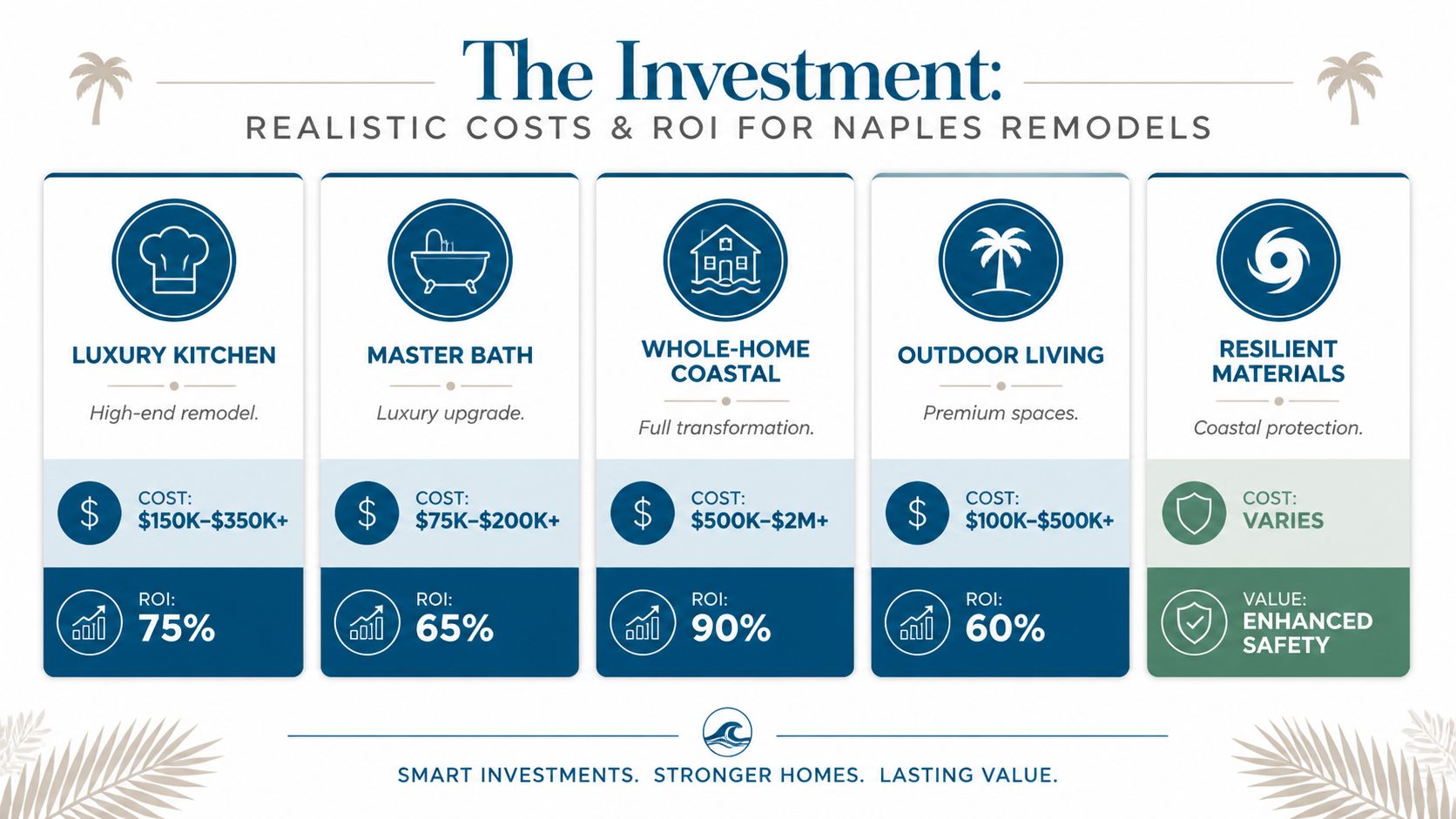
Naples remodeling costs sit well above national averages. Full-house luxury remodels often run from $200 to $600 per square foot, which puts a 3,000-square-foot home around $600,000 to $1.8 million or more, according to Naples luxury renovation cost data. In this market, the difference between a stressful project and a successful one usually comes down to whether the homeowner and builder agree early on about scope, standards, and where the budget needs to work hardest.
What actually drives cost
Square footage sets the range. Decisions set the final number.
In Naples, projects climb in price when the remodel includes structural rework, major layout changes, premium finish packages, hidden system upgrades, or specialty craftsmanship. Historic homes and older coastal properties cost more for a simple reason. They demand tighter execution, more investigative work, and less room for error.
Earlier cost data for this market places premium modern remodels at $250 to $400 per square foot, luxury coastal remodels at $400 to $550 per square foot, and historic restoration in Old Naples at $550 to $650+ per square foot. The same source also notes example ranges for features like private elevators, high-end kitchens, and primary suite additions. Use those numbers as orientation, not promises. Every house has its own surprises behind the walls, under the floors, and inside the existing mechanical systems.
That is why I tell clients to stop asking, “What does a kitchen cost?” and start asking, “What does our house require to support the kitchen we want?” That question leads to a much better budget.
ROI matters, but daily life matters too
A luxury remodel should protect value and improve how your family lives in the home. If it only does one of those jobs, the plan is incomplete.
The broad rule is simple. Put money into changes buyers understand and your family will use constantly. Strong kitchens, comfortable primary suites, flexible guest accommodations, better circulation, and real outdoor usability tend to hold their value better than highly personal one-off features. If resale is part of your long-term plan, practical guidance on outdoor living space value tips can help you focus on improvements that buyers recognize immediately.
Permanent features should feel refined, not eccentric.
If you want a useful comparison between renovating and starting fresh, JVM offers a clear breakdown of the cost to build a luxury home. That perspective helps families decide whether they are improving the right house or forcing a house to become something it was never built to be.
How to allocate the budget without getting burned
Luxury remodel budgets usually follow a familiar pattern. Finishes and cabinetry take a meaningful share. Structural work and core systems take another large piece. Labor, supervision, and project management account for a big portion because skilled execution is expensive in this tier of work. A contingency fund also needs to be built in from day one.
Expense Category | Percentage of Total Budget |
|---|---|
Finishes & Cabinetry | 25–30% |
Structural & Systems | 20–25% |
Labor & Management | 40–50% |
Contingency Fund | 10–15% |
That contingency protects the relationship as much as the budget. In older Naples homes, discoveries are common. You may find outdated wiring, moisture intrusion, framing issues, or mechanical systems that cannot support the new plan. If no reserve exists, every surprise turns into a fight about money. If the reserve is planned, the team can solve the problem and keep the project moving.
Where smart homeowners stay disciplined
The easiest way to overspend is to pour money into visible finishes while underfunding the work that makes those finishes last. Beautiful stone, custom cabinetry, and decorative lighting matter. So do framing corrections, air sealing, waterproofing, drainage details, and climate control. In coastal remodeling, the hidden work protects the visible investment.
That is also where trust matters most. A good build partner does not just hand over a big number and tell you to accept it. They show you what is driving cost, where to spend confidently, where to simplify, and which choices are worth paying for because they improve the home for your family over the long haul.
The best return is not a vanity number on paper. It is a home that supports your life now, respects the money you are putting into it, and still makes sense if your family decides to sell later.
From Concept to Approval Navigating Design and Permitting
You sit at the kitchen table with a beautiful set of ideas. Bigger openings to the lanai. A calmer primary suite. A kitchen that finally works when the whole family is in town. Then the questions start. Can that wall come out? Will the city approve the window changes? How long will plans take? This phase answers those questions before your home turns into an active jobsite.
Good remodeling starts with clear documents and clear responsibility. In Naples, that means a design that fits the way your family lives, works with the house you already own, meets code, and can move through permitting without avoidable delays.
Who does what
The architect sets the layout, proportions, structural direction, and overall character of the remodel. The interior designer shapes how the home functions day to day, from storage and lighting to millwork details, finish selections, and room-to-room flow. The builder tests the plan against reality. That includes pricing, constructability, scheduling, lead times, and the small field conditions that can derail a polished drawing set.
Early coordination saves money and stress. It also protects relationships, because everyone understands the goal and the path to get there.
A strong pre-construction process usually includes:
Existing conditions review: what the current house can support, and what needs correction first
Concept design: layout options tied to how your family lives
Selections that affect construction: slab sizes, plumbing locations, window revisions, flooring transitions, appliance requirements
Permit-ready drawings: enough detail for approvals, pricing, and field execution
Good plans do more than show what you want. They show the team how to build it correctly.
If you want a sense of how disciplined design carries through to finished work, spend a few minutes with FP Architects' project gallery. The takeaway is simple. Refined homes come from refined planning.
Coordination matters more than project labels
Some homeowners get hung up on whether the project is called design-build or architect-led with a separate contractor. The label matters less than the coordination. What matters is who owns the handoff from concept to pricing, from pricing to permit set, and from permit set to field execution.
If nobody owns that handoff, you will pay for it in revisions, delays, and frustration.
Ask a direct question early. Who is responsible for closing the gap between what is drawn and what can be built inside my existing home? A serious team will answer that clearly.
Permitting is part of the plan
Permitting in Naples and Collier County should never feel like a surprise. It is a standard part of the process, and a prepared team builds time for reviews, comments, revisions, inspections, and final sign-off into the schedule from the start.
The exact path depends on the scope, but homeowners should expect:
Plan development before submission
Review comments that may require revisions
Coordination with structural, mechanical, or other consultants
Inspection sequencing during construction
Final approval before occupancy or closeout
That last step matters. If you want a plain-English explanation of final sign-off, read JVM’s guide on what is a certificate of occupancy.
Why this phase protects the project
Homeowners often get impatient here because the progress is mostly on paper. I understand that. Still, this phase prevents expensive mistakes, vague allowances, and change orders caused by decisions that should have been made earlier.
A disciplined design and permitting process gives you cleaner pricing, fewer field surprises, and a build that feels organized instead of chaotic. It also shows you what kind of relationship you are going to have with your team. Good partners do not rush you past questions. They explain the process, tell you where decisions are needed, and protect the home you are trying to create for your family.
Selecting Your Build Partner A Foundation of Trust
You hand a builder the keys, your budget, and access to the place where your family lives. That decision deserves more scrutiny than any countertop, fixture, or flooring sample.
A luxury remodel succeeds when trust is established early and protected the entire way through. In Naples, these projects often last months, sometimes longer. Your builder will be in your home, talking with your spouse, coordinating around your schedule, and making judgment calls that affect both daily life and long-term value. If that relationship feels shaky at the start, it will feel worse once walls are open and decisions carry real cost.
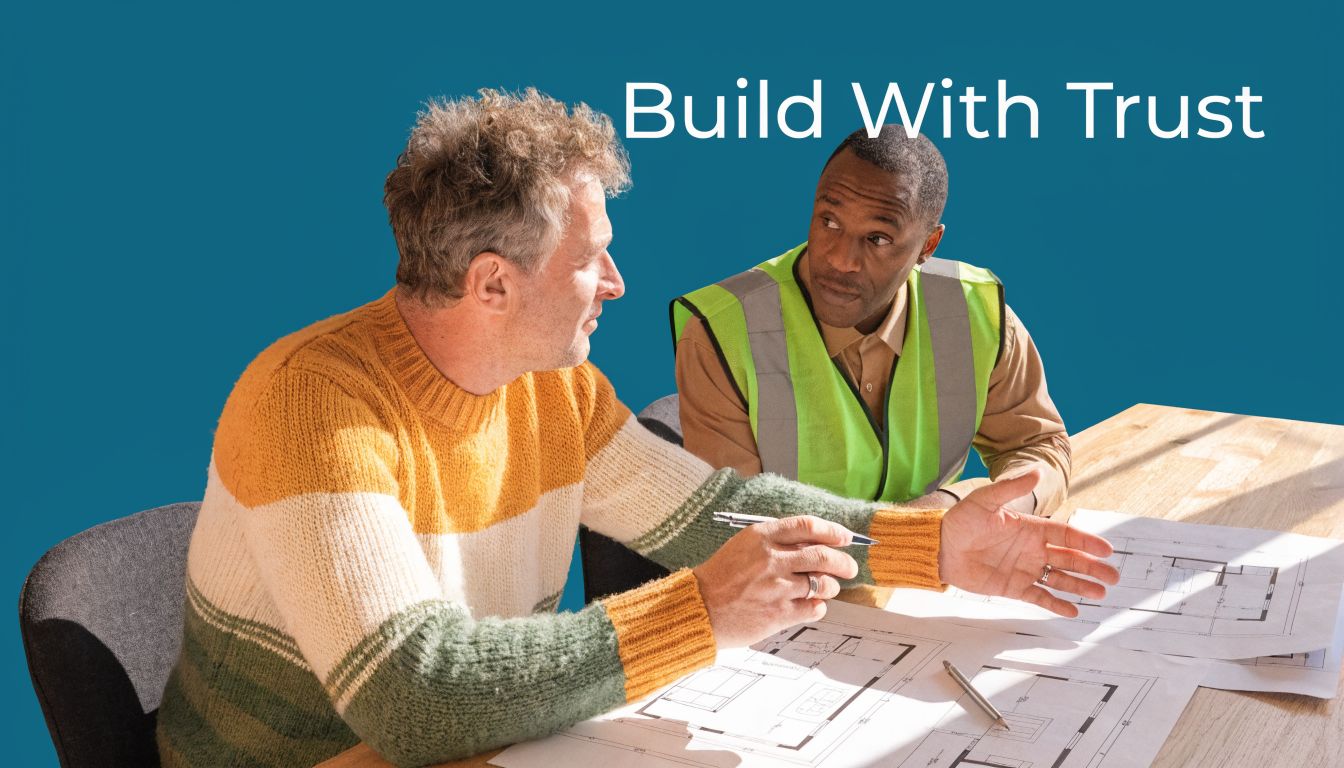
What separates a luxury builder from a regular contractor
Luxury building is disciplined execution.
It shows up in bookmatched marble slabs, tight stone seams, flush transitions, clean reveals, and site management that keeps quality from slipping at the edges. The standard is set long before final punch work. A builder who works at this level has reliable trades, checks details before you have to point them out, and refuses to let small misses turn into permanent flaws. This guidance on what sets high-end remodeling contractors apart gives a useful outside perspective on that difference.
Before you sign, insist on four things:
Clear communication rules: who contacts you, how often, and what gets documented
Defined accountability: who approves changes, tracks allowances, and coordinates trades
Quality control: how the team reviews work before calling it complete
Crew consistency: whether the same trusted people show up, or the job gets handed around
If a proposal is vague, the project will be expensive.
Ask better questions in the interview
Price matters. Management matters first.
Ask the questions that expose how the builder runs a job and how they treat people under pressure:
Who is my day-to-day contact once construction starts?
How do you handle changes in writing before extra work begins?
How do you update owners who travel or live in the home part-time?
What do you do when an installation misses your standard?
Which trades get your closest supervision because they have the biggest effect on quality?
Those answers tell you whether you are hiring a professional operator or a good salesperson.
If you want a practical shortlist to bring into interviews, use this guide on what to ask a general contractor.
Look at built work, not just renderings
Renderings show taste. Built work shows control.
Review completed projects with a sharp eye. Look at stone alignment, trim transitions, door and hardware consistency, paint lines, and how materials meet at corners and thresholds. Those details tell you whether the builder can finish strong after the easy decisions are over. If you want to train your eye, spend time studying FP Architects' project gallery. It helps you notice restraint, proportion, and detail relationships that separate polished work from work that only photographs well.
Pay attention to how the builder talks about past clients too. I listen for respect. Good builders understand that they are not just managing a construction site. They are protecting routines, privacy, family milestones, and a major financial decision that carries emotional weight.
Trust is built before the first hammer swing
The right builder does not say yes to everything. The right builder tells you the truth early, even when the answer is inconvenient.
They will tell you when a detail is too delicate for the way your family lives. They will tell you when a schedule is unrealistic. They will tell you where spending more improves the home and where it does not. That honesty is what keeps a remodel organized, protects your budget, and lets you stay confident while the house is in transition.
One Naples-based option in this category is JVM Construction LLC, which handles custom homes, whole-home remodels, condo renovations, and project coordination from design through construction. Whether you speak with them or another qualified firm, hold the line on the same standards. Clear process. Careful craftsmanship. Communication you never have to chase.
Building for the Coast Materials and Methods That Last
A luxury remodel in Naples has to do more than look good in photographs. It has to live well in a coastal environment.
Salt air, humidity, intense sun, storms, and seasonal occupancy patterns all put pressure on materials and systems. If your team doesn’t build with that reality in mind, the house may still look impressive at handoff. It just won’t age the way it should.
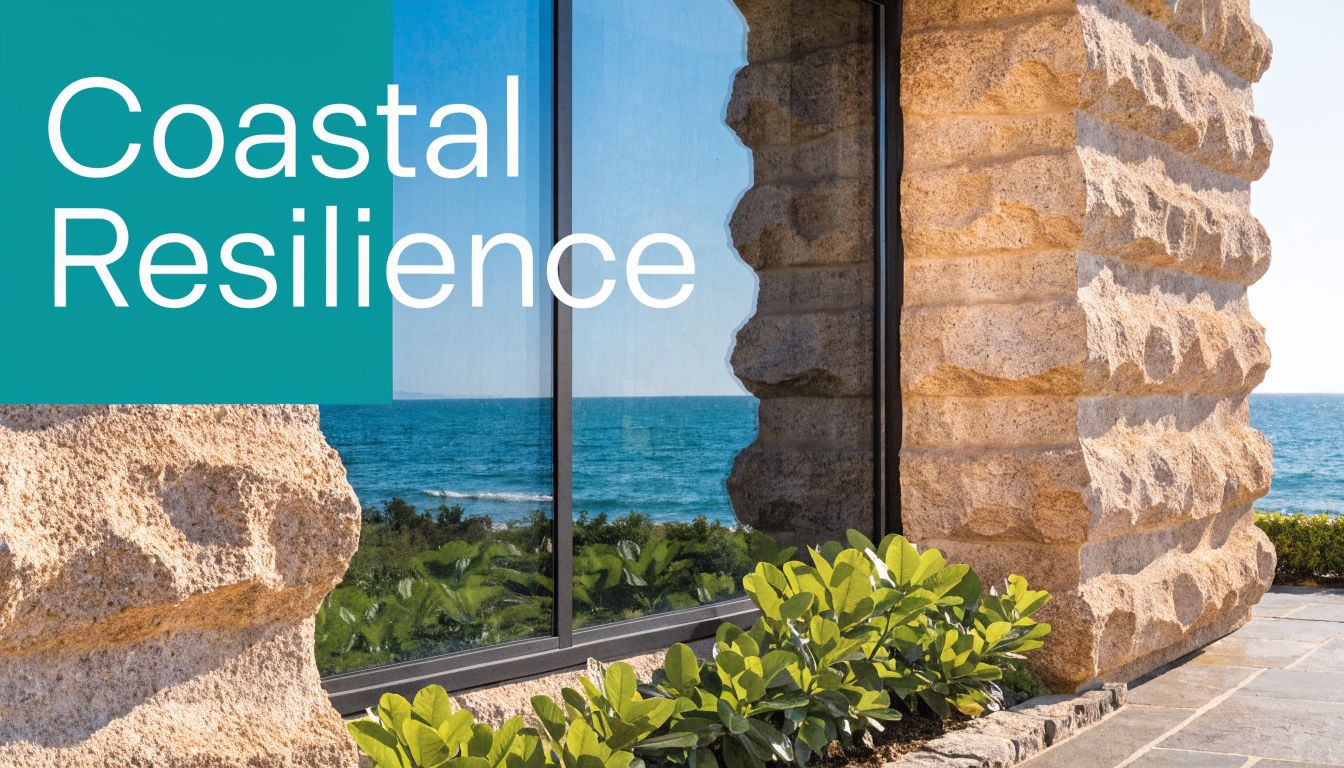
Choose materials for performance first
In coastal construction, pretty and durable are not always the same thing.
You want exterior finishes that can handle moisture exposure and salt-laden air. You want hardware that resists corrosion. You want windows and doors selected for resilience and fit, not just profile. Inside the house, you want materials that won’t punish you for using the home the way people live in a home.
That means thinking carefully about:
Flooring: stable under humidity swings and suitable for the lifestyle
Cabinet finishes: able to hold up in kitchens, baths, and seasonal conditions
Stone installation quality: tight seams, consistent grout lines, clean transitions
Exterior metals and fasteners: chosen for coastal exposure, not generic use
Poor installation is just as risky as poor selection. In humid environments, uneven grout and careless stone transitions can create maintenance and longevity issues. Precision matters because water always finds weakness first.
Comfort systems should work quietly in the background
Most homeowners notice finishes. Fewer notice the systems that make a house comfortable every day. But those systems are what separate a flashy remodel from a home that feels premium to live in.
Radiant floor heating is one example gaining traction in high-end remodels. In Naples luxury properties, radiant systems can offer 20 to 25% greater energy efficiency than traditional forced-air systems and pair especially well with porcelain tile for comfort and heat transfer, according to this overview of key elements of a luxury home remodel. That same source notes the value of zoned controls, which is especially useful in seasonal residences where different parts of the home may need different climate settings.
Quiet comfort is one of the clearest signs of a well-built house. You feel it before you understand why.
Build with the future in mind
Coastal remodeling should include some foresight. If you’re opening walls, think beyond today’s finish schedule.
A smarter project often includes:
Planning for future technology integration so controls and upgrades don’t require major rework later
Coordinating system access so maintenance isn’t a demolition event
Using resilient assemblies in areas where moisture exposure is more likely
Selecting details that are easier to clean and maintain during periods of vacancy or seasonal use
This is also where design discipline matters. Current luxury preferences in Naples lean toward sustainability, wellness features, smart home integration, open-concept living, biophilic elements, and quiet coastal modernism, according to the earlier trend reference. The right response isn’t to cram every trend into one house. It’s to choose the ones that improve your life and support the way the home will age.
What lasts is usually quieter than what trends
The homes that hold up best over time don’t scream for attention. They feel resolved.
Materials relate to each other. Transitions are calm. Systems are integrated. Outdoor spaces are usable. Finishes make sense for the light, the humidity, and the maintenance expectations of the owner. That’s what coastal luxury should look like.
If your builder can’t explain why a material or method belongs in a Naples home, keep asking. In this environment, every choice needs a reason.
Your Remodeling Action Plan A Homeowner’s Checklist
Your role in a luxury remodel goes well beyond picking stone slabs and approving invoices. You set the pace of decisions, the clarity of the vision, and the tone of the relationship with the team building your home. In Naples, where many remodels happen in occupied homes or around family schedules, that partnership matters as much as the drawings.
A strong project has an engaged homeowner. That means showing up prepared, answering questions on time, and treating the process like a serious family investment.
Vision and planning checklist
Start before the first planning meeting ends.
Write down the daily friction points: where the house slows you down, frustrates family routines, or falls short when guests stay
Define the outcomes that matter most: better entertaining flow, privacy for visitors, aging-in-place comfort, easier upkeep, stronger indoor-outdoor living
Plan for seasonal use: how the home should function when it is full, when it sits quiet, and when family arrives unexpectedly
Decide how much disruption your household can absorb: living in place, moving out, or phasing the work
Clear priorities make better decisions possible. They also help your builder protect what matters when tradeoffs come up.
Budget and decision checklist
Budget problems usually start with vague expectations. Fix that early.
Use this filter:
Set aside contingency funds with discipline: hidden conditions behind walls and under floors need to be handled correctly, not cheaply
Separate cosmetic wants from structural work: waterproofing, mechanical updates, framing corrections, and code items come first
Treat selection deadlines as real deadlines: late decisions slow procurement, create labor gaps, and push schedules off course
Choose your finish level early: changing the standard halfway through the job is one of the fastest ways to lose control of cost
Late decisions are expensive. Quick decisions without enough thought are expensive too. The right pace is prompt and informed.
Team selection and communication checklist
Choose a team you can trust before construction starts. You are inviting these people into a major part of your life for months. The relationship should feel organized, honest, and steady from the beginning.
Ask for:
A written communication process
A clear change-order process
A schedule framework with milestones
A quality-control approach
A realistic explanation of owner responsibilities during the build
If the answers feel vague, slow the process down and ask again. Confusion at the start usually turns into tension later.
Construction-phase checklist
Once work begins, stay involved in ways that help the project stay on track.
Review updates consistently. Long gaps in communication create avoidable mistakes.
Answer open questions quickly. Field decisions affect labor sequencing, material orders, and inspections.
Walk the project at key milestones. Confirm alignment before drywall, tile, millwork, or finish layers cover the work underneath.
Keep your priorities visible. When small issues appear, the team should still know the larger goal for the home and your family.
Protect the working relationship. Respect, candor, and steady communication solve more problems than tension ever will.
The best remodels end with more than a beautiful result. They give your family a home that works better, feels calmer, and supports the life you want to live there.
If you’re considering a remodel in Naples, start with a conversation about how your home should serve your family over the next decade. JVM Construction LLC is one local option to speak with. A good first meeting should clarify your goals, your budget direction, and whether your home is best served by remodeling, reconfiguring, or starting over.