You’re probably doing what most Naples buyers do at the start. You drive through Old Naples, pass homes with deep porches and shuttered windows, turn toward the water, and start asking a harder question than “What style do I like?” The underlying question is how to build a home that belongs here.
That’s the heart of naples florida architecture. The homes that feel right in Naples aren’t random collections of luxury finishes. They come from a local design language shaped by history, climate, neighborhood character, and the practical demands of coastal construction. A house can be striking on paper and still feel out of place on its lot. It can look authentic from the street and still fail in the details that matter most during storm season.
Clients usually arrive with a folder full of inspiration. They like the grace of Mediterranean facades, the openness of coastal contemporary interiors, or the relaxed charm of Old Florida forms. Those instincts are useful. What turns them into a successful custom home is understanding what each style asks of the structure, the site plan, the materials, and the builder.
Some of the homes that define the area are featured in this look at Naples’ most expensive homes, and they make one point clear. The best properties don’t just chase curb appeal. They resolve the full equation of architecture, resilience, privacy, and livability.
Your Dream Home and the Naples Architectural Legacy
A dream home in Naples usually starts with a feeling. It might be the symmetry of a palm-lined approach, the way a covered outdoor room catches late afternoon light, or the balance between polished architecture and easy coastal living. Buyers often know the mood they want before they know the style name.
That’s a good place to begin, but not the last step. Naples rewards homes that respond to their setting. A waterfront lot asks different questions than an inland estate lot. A home near historic streetscapes needs different restraint than a newer build in a more transitional enclave. The design has to feel intentional from the first elevation sketch to the final roofline.
What buyers often want, and what works
In practice, most homeowners are blending priorities rather than choosing a single pure style. They want a house that feels established but not heavy. They want openness without sacrificing shade. They want strong indoor-outdoor living, but they also want confidence in the envelope, windows, roof, and structural system.
That’s where Naples stands apart from many luxury markets. Beauty here is tied to performance.
Practical rule: If a design looks stunning in a rendering but creates unnecessary exposure to sun, wind, or water at the actual site, it needs revision, not better staging.
A strong custom home plan in Naples usually does three things well:
Respects the neighborhood context: The house should feel like a natural extension of the street, not a disconnected showpiece.
Fits the lot conditions: Views, setbacks, drainage, elevation, and approach sequence all affect the architecture.
Builds in longevity: Materials and structural decisions need to support the style, not fight it.
The difference between admiration and execution
It’s easy to admire Naples architecture from the sidewalk. It’s harder to translate that look into a home that functions every day for your family. The successful projects are the ones that connect inspiration to disciplined planning. That means choosing a style with clear eyes, knowing where to preserve tradition, and knowing where modern construction has to take the lead.
The Foundations of Naples Design A Rich History
Naples didn’t become architecturally distinctive by accident. The city was founded in 1885 by two Kentucky entrepreneurs, John Williams and Walter Haldeman, who purchased 3,712 acres for $11,136, or about $3 per acre, through The Naples Town Improvement Company, as noted in this background on the founding of Naples and Palm Cottage.

That early vision matters because it established a pattern of thoughtful development. Naples was imagined as a place of order, beauty, and climate-aware living. You can still see that DNA in the city’s best residential work today. Homes aren’t judged only by size or finish level. They’re judged by proportion, siting, and whether they feel rooted in Naples rather than imported from somewhere else.
Palm Cottage and the original coastal intelligence
The clearest historic example is Palm Cottage, the oldest surviving structure in Naples. It was built in 1895 using tabby mortar, a material made of lime, sand, and shells. The residence, now managed by the Naples Historical Society at 163 12th Avenue South, is on the National Register of Historic Places and reflects late 19th-century coastal design principles.
Those principles still hold up.
Its wraparound porch and steeply pitched roof weren’t decorative afterthoughts. They were practical responses to the subtropical climate, creating shade and encouraging airflow long before mechanical cooling became standard. That kind of architecture provides solutions. It doesn’t announce performance with technical language. It operates effectively.
Palm Cottage shows a lesson many new builds still need. Timeless design in Naples starts with climate response, not ornament.
What that history means for a modern custom home
Historic Naples architecture offers more than nostalgia. It provides a framework for decision-making:
Historic principle | Why it still matters |
|---|---|
Deep shade elements | Covered porches, loggias, and overhangs improve comfort and outdoor usability |
Ventilation-minded design | Orientation and opening placement still influence how a home lives |
Material honesty | Exterior materials need to suit salt air, moisture, and maintenance realities |
Balanced proportions | Well-scaled facades age better than trend-driven statements |
The takeaway isn’t that every home should look old. It’s that the strongest Naples homes borrow the discipline of earlier architecture while using modern methods where modern methods are clearly better. That combination gives a house presence, comfort, and staying power.
Defining the Naples Look Key Architectural Styles
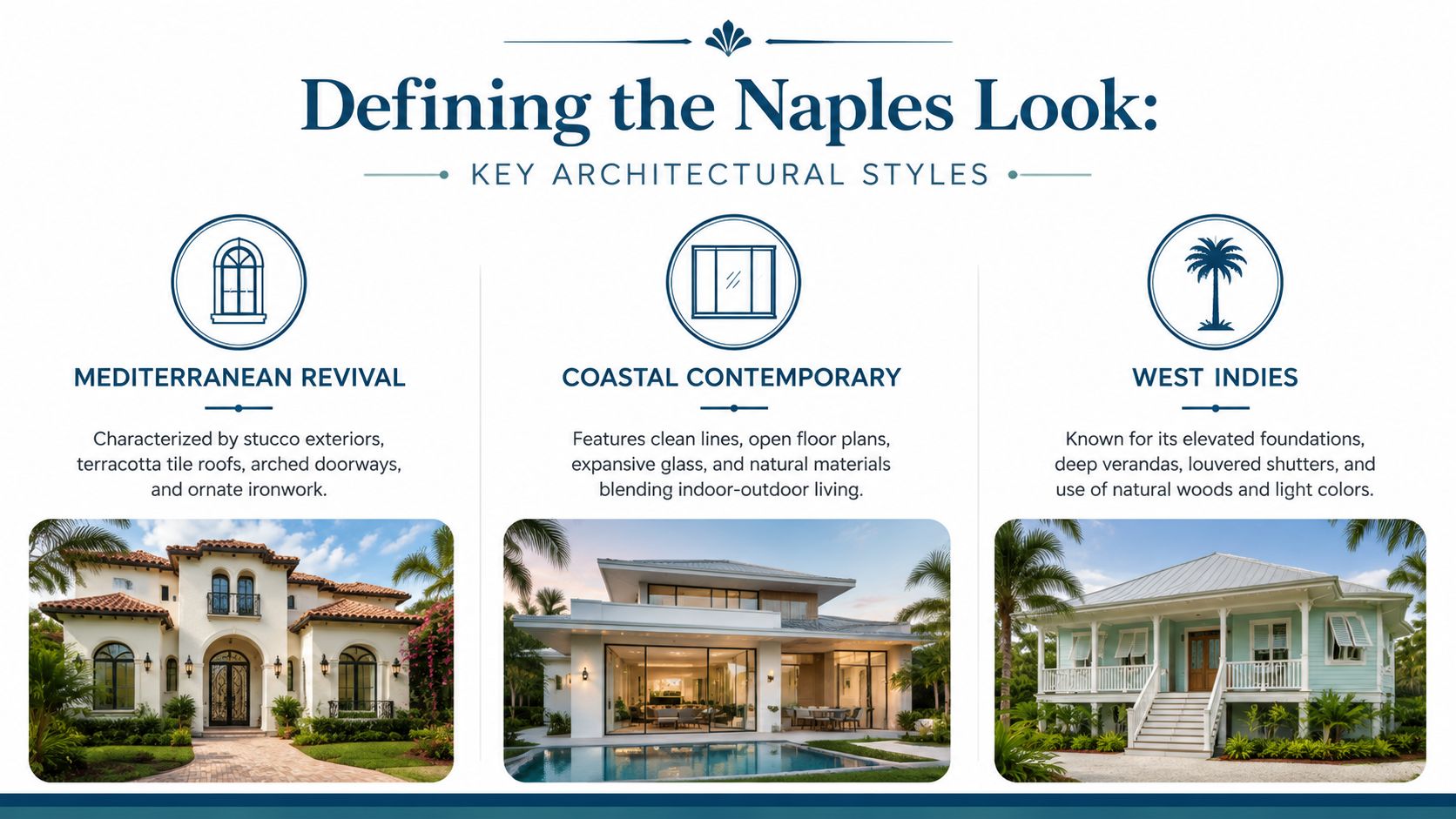
Naples has a recognizable architectural vocabulary, but it’s broader than many buyers expect. According to this overview of Naples architectural landmarks and residential styles, the five most common residential styles are Mediterranean, Spanish, Coastal Contemporary, Colonial, and Old Florida Style, with Mediterranean remaining the dominant aesthetic in high-end custom residential construction.
If you’re trying to narrow your own direction, the easiest way is to stop thinking in labels alone and start looking at how each style behaves. A style isn’t just a facade. It affects roof form, window rhythm, outdoor living, structural choices, and how formal or relaxed the house feels on arrival.
Mediterranean Revival
This is still the signature look in many luxury parts of Naples, including stretches of Fifth Avenue South. Think stucco walls, terracotta roofs, arched windows and doors, and iron detailing. Mediterranean homes often feel composed and anchored. They usually present a stronger front elevation and a more formal sense of arrival.
What works well:
Layered exterior detailing: Arches, trim profiles, and textured finishes create depth.
Courtyard and loggia planning: These homes handle outdoor rooms beautifully.
A sense of permanence: The style pairs well with estate lots and established landscaping.
What doesn’t work as well:
Overloading the facade with ornament can make the home feel theatrical instead of elegant.
Poorly proportioned arches or heavy roof masses can push the design into imitation rather than refinement.
Coastal Contemporary
Coastal contemporary homes take a different approach. They favor clean lines, expansive glass, open plans, and stronger visual connection between interior and exterior spaces. The best versions still feel warm. They use natural woods, stone, soft neutrals, and thoughtful overhangs to avoid a sterile look.
These homes suit buyers who want simplicity and ease. They also align well with current expectations for flexible family living, large sliders, and outdoor entertaining spaces that operate almost like a second living area.
A coastal contemporary home succeeds when the structure controls light and heat as carefully as it frames the view.
Old Florida and West Indies influences
Old Florida style is less formal and more relaxed. It draws on broad porches, lighter palettes, and a breezier relationship to the outdoors. West Indies-influenced homes build on that idea with refined expressions, deep verandas, shutters, and tropical detailing that feels meticulously designed rather than rustic.
This style often works especially well when a buyer wants charm without heaviness. It can be elegant, but it doesn’t need to look ceremonial.
A quick field guide helps:
Style | You’ll notice | Best fit |
|---|---|---|
Mediterranean | Stucco, tile roofs, arches | Formal luxury, established streetscapes |
Coastal Contemporary | Glass, clean lines, open plans | View-driven lots, modern living |
Old Florida | Porches, lighter facade language, relaxed massing | Casual luxury, classic coastal feel |
Spanish and Colonial | Strong symmetry, traditional forms | Buyers who want more historic structure and visual order |
How to choose the right style for your lot
Don’t pick a style from a mood board alone. Match it to three realities:
Street context
A home should contribute to its block. In Naples, that matters.Your daily routine
Formal rooms look good on plans. Many families still spend most of their time in the kitchen, great room, outdoor lounge, and primary suite.Site exposure
Sun angles, privacy lines, and water-facing elevations can make one style far easier to execute than another.
That’s where naples florida architecture becomes practical rather than purely aesthetic. The right style isn’t only the one you admire. It’s the one that performs beautifully on your specific property.
Building for Beauty and Resilience in Southwest Florida
In Naples, luxury construction has to do two jobs at once. It has to deliver architectural character, and it has to stand up to a demanding coastal environment. If either side is weak, the home will eventually show it.
Naples requires residential construction to meet strict hurricane-region standards, including impact-resistant windows, reinforced concrete block construction, and raised home designs built to reduce flood risk and withstand high wind velocities, as explained in this review of architecture, design, and construction of homes in Naples.
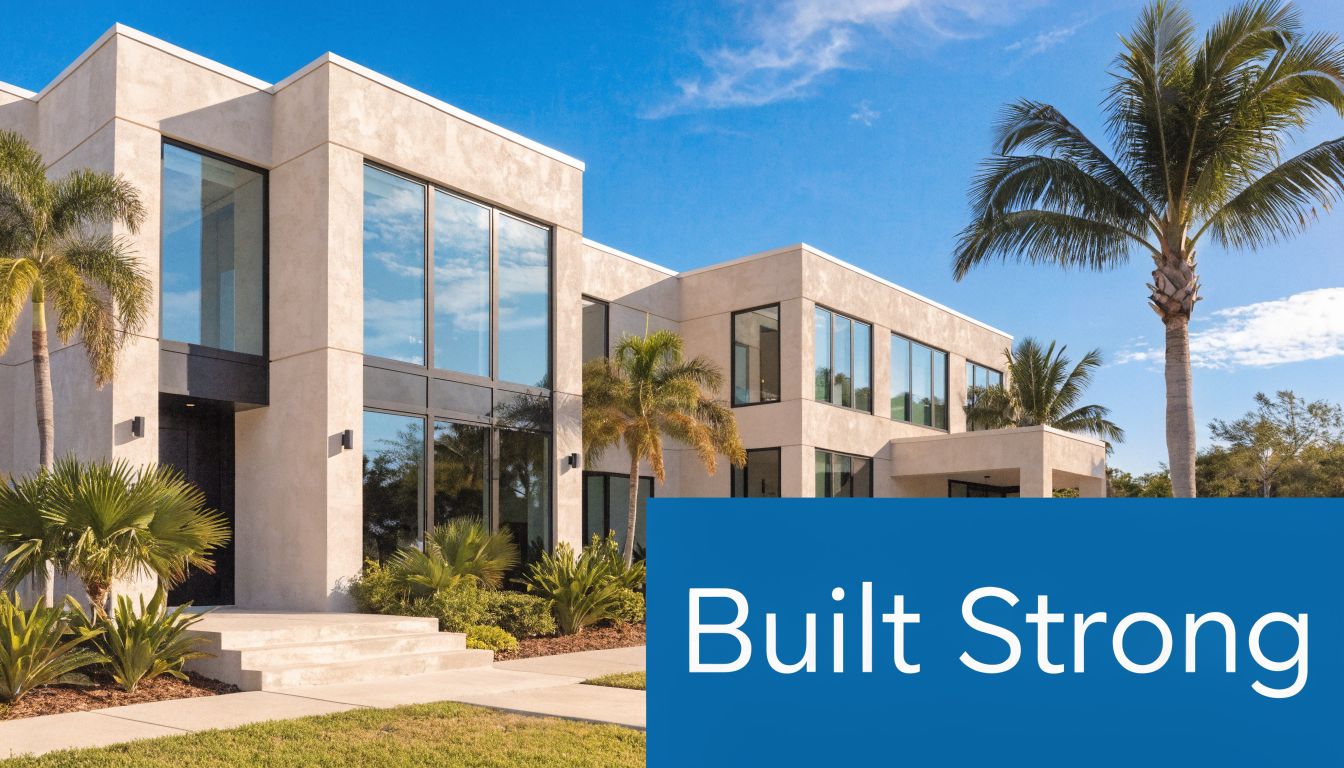
The technical side isn’t separate from the design side. It shapes the design.
For homeowners comparing plans, this guide to hurricane-resistant home plans is useful because it shows how structural thinking changes layout, openings, roof design, and elevation strategy.
What actually protects a Naples home
Some features are essential in this market. They aren’t upgrades in the luxury sense. They’re baseline indicators of a properly conceived home.
Impact-resistant windows: These help protect the building envelope from wind-driven debris.
Reinforced concrete block construction: This gives the structure more mass and strength than lighter assemblies.
Specialized roof design: Roof shape and attachment details matter because the roof is one of the first places storms exploit weak execution.
Raised foundations: These reduce flood exposure and can create useful space below the main living level.
The trade-offs buyers should understand
A resilient house isn’t just a stronger version of a standard house. It often requires design choices that need to be resolved early.
Decision | Benefit | Trade-off to manage |
|---|---|---|
Larger glass openings | Better views and indoor-outdoor flow | Demands careful structural engineering and installation quality |
Elevated design | Better flood protection | Changes entry sequence, stairs, and visual proportions |
Complex rooflines | More architectural character | Creates more points where detailing must be exact |
Outdoor living emphasis | Fits Naples lifestyle | Requires stronger weather protection strategy for finishes and openings |
One common mistake is chasing a visual idea that fights the local environment. A house with dramatic openness but weak shading strategy can become less comfortable than a more disciplined design. A decorative roof composition can create unnecessary vulnerability if the detailing isn’t excellent.
Field advice: In Southwest Florida, resilience isn’t a hidden engineering layer. It needs to be visible in the way the home is massed, sealed, elevated, and detailed.
The best Naples homes make these protections feel unobtrusive. They don’t look defensive. They look resolved.
Today's Luxury Home Trends and Renovation Priorities
The current Naples market isn’t moving in a single stylistic direction. It’s getting more selective. Buyers still appreciate classic Mediterranean homes, but many now want something lighter, simpler, and easier to live in day to day. That’s one reason transitional coastal architecture has gained traction.
According to this feature on transitional design in Naples, 2025 market data shows a 25% increase in permits for transitional-style homes in Naples, driven by residents seeking a hybrid of modern and Old Florida design, often with sustainability-minded elements such as solar-ready metal roofs.
Why transitional coastal fits Naples so well
Transitional coastal design works because it gives homeowners flexibility. It can borrow warmth from traditional architecture and pair it with the clean circulation and openness buyers now expect. Instead of heavy ornamental language, these homes often rely on proportion, texture, and restrained detailing.
Common priorities include:
Integrated indoor-outdoor living: Large openings, covered exterior rooms, and layouts that keep the outdoor space part of daily life.
Simplified exterior forms: Cleaner rooflines and lighter detailing reduce visual noise.
Natural finishes: Wood accents, stone, and soft palettes keep modern homes from feeling cold.
For buyers exploring glazing strategies, sightlines, and how transparency affects the feel of a residence, this resource on custom glass for luxury homes adds useful context.
Renovation is no longer just cosmetic
A second shift is happening in renovations. Homeowners aren’t just updating finishes. They’re reassessing the whole house through the lens of safety, livability, and code compliance.
After Hurricane Ian, retrofitting older luxury properties became a central concern. Many owners of established homes still want to preserve architectural character, but they also want confidence that the envelope, openings, connections, and exterior assemblies are doing their job.
That creates practical renovation priorities:
Upgrade vulnerable exterior systems
Older windows, shutters, and attachment details can undermine an otherwise beautiful home.Preserve the architectural identity
The goal isn’t to erase a Mediterranean or Old Florida house. It’s to strengthen it without flattening its personality.Improve daily comfort while work is underway
Smart planning lets owners fold in better lighting, layout refinements, and outdoor living improvements while structural upgrades are being made.
Renovation in Naples works best when it treats the house as both a design object and a coastal structure. If you only solve one side, the project feels unfinished.
Choosing Your Custom Home Building Partner in Naples
A strong design can still become a frustrating project if the builder isn’t equipped for Naples. This market asks for more than a polished portfolio. It asks for local fluency, technical discipline, and a process that keeps decisions clear when the project gets complicated.
The right partner should understand neighborhood expectations, permitting realities, coastal construction sequencing, and how to coordinate architects, designers, engineers, and specialty trades without losing control of quality.
What to look for beyond the photos
Many homeowners focus first on finished images. That’s understandable, but photos don’t show how a builder communicates, schedules, solves field conditions, or protects the integrity of the design when details get difficult.
Use these filters instead:
Local project experience: A builder who knows Naples can anticipate review standards and construction conditions that outsiders often miss.
Transparent process: You should know how selections, pricing updates, change orders, and scheduling will be handled.
Craft discipline: Luxury construction isn’t only about premium materials. It’s about installation quality and consistency.
Questions worth asking in a first meeting
A good initial conversation should reveal how the builder thinks, not just what the builder has built.
Ask about | What you’re really learning |
|---|---|
Pre-construction planning | Whether the team resolves problems early or improvises late |
Permitting and coordination | How smoothly the builder can move a project through local requirements |
Communication cadence | Whether you’ll be informed or left reacting |
Trade management | How quality is maintained across many subcontractors |
A useful benchmark is to review a builder’s approach to custom home building services in Naples. You’re not just checking services offered. You’re looking for signs of organization, accountability, and whether the builder treats the project like a relationship rather than a transaction.
The best fit usually feels steady, not flashy
The strongest builders tend to be calm in how they work. They don’t oversell easy answers. They explain trade-offs clearly, flag problems early, and keep the project moving with discipline.
That matters in Naples because custom homes here involve many layered decisions. You want a team that can protect the architectural vision while also making the practical construction process feel controlled.
From Vision to Reality A JVM Construction Showcase
Good architecture becomes real only when the execution matches the intent. In Naples, that usually means resolving style, structure, site conditions, and finish quality at the same time. The following project types reflect the kind of work luxury homeowners increasingly ask for.
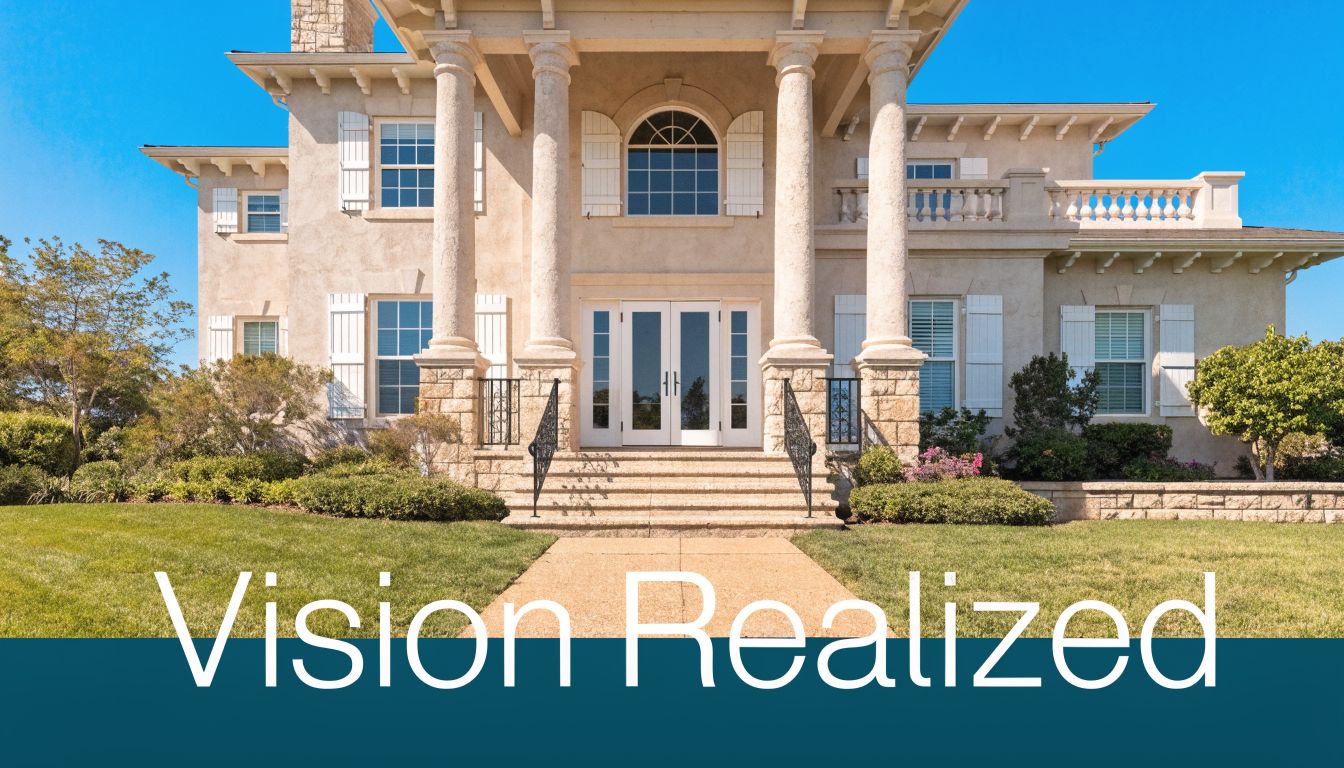
A coastal modern waterfront build
One common challenge on a waterfront lot is balancing openness with discipline. A buyer may want broad glass, clean lines, and uninterrupted sightlines to the water. The solution isn’t merely “more glass.” It’s careful orientation, strong overhang strategy, durable exterior materials, and structural planning that supports the architecture without making it feel heavy.
When this type of home is done well, it feels effortless. The view leads, but the house still has depth, shade, privacy, and comfort throughout the day.
A Mediterranean renovation with modern performance
Another frequent Naples brief is preserving the grace of an older Mediterranean residence while modernizing how it performs. That can mean reworking openings, replacing outdated exterior components, improving envelope integrity, and refining the floor plan so the home lives more naturally for today’s owners.
This isn’t a cosmetic exercise. It’s a calibration exercise. The goal is to keep the house recognizable to itself while making it substantially better.
A retrofit for long-term confidence
Post-Hurricane Ian, retrofits have become especially important. As noted in this discussion of Naples architectural styles and retrofit demand, 30% of Naples luxury homes built before 2010 lack compliant hurricane shutters or structural tie-downs. That creates a clear need for builders who can integrate safety upgrades into architecturally sensitive homes.
That work often includes tough judgment calls. Some details should be recreated faithfully. Others should be redesigned because the original approach no longer serves the home well. Owners usually want both reassurance and restraint. They want to know the house is stronger, but they don’t want it to lose its character in the process.
The best Naples projects don’t force a choice between elegance and protection. They treat protection as part of elegant building.
A custom home or major renovation in Naples should leave you with more than a beautiful result. It should leave you with a home that feels correct for its place, secure in its construction, and rewarding to live in every day.
If you’re planning a custom home or high-end renovation and want a team that understands both design and coastal construction, JVM Construction LLC can help you move from ideas to a well-built home with clarity, craftsmanship, and local expertise.